Legends made in Denver: Drag Queens, too

37742207@N02 420x240-TheLegendOfGeorgiaMcBride.sflb

It’s common knowledge, Denver is a first class theatre city. I heard a friend brag we are second to New York City. While I can’t give you the bonafide stats on my friend’s statement, it’s not far from the truth.

Join me while I raise a glass of bubbly to the Denver Center Theatre Company’s new play program, because, due to their professional and ceaseless drive for quality literary plays, Denver has officially been named one of the top five theater companies in the country. The success comes via the annual development of new plays and musicals. The innovative program named the New Play Development Fund enables Denver to commission the most talented playwrights and host the Colorado New Play Summit every year. It is through this landmark program that playwrights have a chance to read and perform their work to an audience of professionals from New York to Los Angeles.

420x240CNPS14-animated.sflb

A few plays (born in Denver) you may have seen since 2008, are Plainsong, Eventide, Grace, or the Art of Climbing, The Whale, Two Things You Don’t Talk About at Dinner, Black Odyssey and the latest The Legend of Georgia McBride – the 2013 New Play Summit runaway hit.

Georgia McBride premiered last week to a devoted audience. The stage setting was decidedly apropos. Produced on a smaller stage the performers appeared about ten feet tall. Elvis swallowed up the stage as he opened the show in his white sequined jumpsuit. The story unfolds to an Elvis impersonator who is bumped to accommodate the bar’s new theme – drag night.

The audience quickly becomes enchanted with kitschy karaoke and drag queen antics. Hilariously enhanced by talented actors with the unimaginable storyline of a straight, married drag queen.  What follows is uproarious theatre by four (4), only four (the audience is completely blindsided by this) highly professional actors. It is enchanting and clever theater brought to life by the young and distinctly talented New York playwright Matthew Lopez. Kudos to Denver for choosing this spectacular mix of inventive dialogue peppered with high camp in glitzy costumes. DON’T Miss The Legend of Georgia McBride.

FYI: Denver has remarkable Drag Queens, i.e.,  Daniella DeCoteau (the audience was thrilled with her performance at the cast party / opening night celebration), Nuclia Waste, Shirley Delta Blow, Izzedead MotherEffer and Minor Misdemeanor to name a few. You can see one of the best drag shows monthly at Hamburger Mary’s on 17th Avenue. Trust me, it is as good as any show I’ve seen. Yep, better than the infamous Lady Chablis from Midnight in the Garden of Good & Evil, by John Berendt. On a recent trip to Savannah we caught a once a month performance of her popular show. Regrets to Miss Champagne. Hamburger Mary’s drag queens (and show) are hands down superior to the most famous Drag Queen of the 20th Century.

FYI (2) : February 7-9, is the 2014 Colorado New Play Summit featuring five readings by playwrights such as Eric Schmiedle, reading his Benediction by Kent Haruf. Other readings include Appoggiatura by James Still, The Comparables, by Laura Schellhardt,

Tagged , , , ,

14 Thoughts For 2014

In case you haven’t made your 2014 list of to-do’s, Hey Girl says it all. I have made a daily schedule for writing time, blog posts, work (for $), creating my on-line gallery, and for the first time set a time-line for self-publishing a book this year…by damn! Best of luck to you all who want to accomplish something significant in 2014. We must stay on track and remember, these are our goals, no one else.

Maria's avatarSAY|HEY|GIRL

2014crown

Hey Girl, welcome to 2014. I think this time of year is the most exciting, it rustles with the whispers of new promise and dreams to chase. While I love the potential a new year holds I don’t like resolutions because most of them set us up for failure. A couple years ago I decided to adjust my perspective, ditch resolutions, and start celebrating every small victory throughout the year. Instead of defaulting to the  generic resolutions people try to stick to (you know these: eat better, lose weight, work out, drink less, stop calling/texting/Facebook stalking that one person you should have forgotten about months ago) I think smaller and more specific. I think about what is going to make me a more confident, grateful and loving human being…and then I go forth and conquer from there. So here are my 14 commitments to 2014:

1. Call People On the…

View original post 2,205 more words

Denver loves everything that makes us happy!

Happy New Year, everyone.

Thank you for your likes, posts, comments and follows. It was a great year and I love you for hoping on this ride with me. Please tell your friends – if you think they’d enjoy reading Denver Art Matters. I promise to make some interesting new posts along with a few surprises I have up my sleeve.

IMG_2938

Much appreciation and gratitude to you, my DAM readers,

Jan

photo & sculptures from the Downtown Denver Art Festival, May 2013


Tagged , , ,

Art and obsession

As we head into 2014, I wish you all a prosperous and productive New Year. I am so grateful for your follows and Likes and comments. You’ve made 2013 a lovely year of friendships, learning, blogging and discovering the most fantastic art, artists and bloggers.

Christian Mihai posted ‘Art and Obsession’ yesterday. It reads beautifully and appropriate for artists trying to paint a masterpiece with oils or words to hear the word O B S E S S I O N. Think about the word as 2014 unfolds. When you are stuck in your art remember the word obsession. 2014 will be the year you accomplish the art you are capable of doing.

Remember, life is short; art is long. Good luck to you in 2014.
Jan

No more blue dogs….

Blue Dog No More

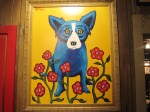
All dogs go to heaven, especially blue ones painted by Louisiana artist, George Rodrique, 1944-2013. Sadly, we learned over the weekend the iconic artist and his Cajun symbol, the Blue Dog, died at age 69, in Houston, Texas, from a long struggle with cancer.

Rodrique recreated Louisiana’s exalted cajun loup-garou (werewolf legend) into a pop art icon, the Blue Dog. For years people marveled at the folk-art style paintings of a blue dog on vivid pink or green background surrounded by simple colorful flowers and indigenous trees. The canvases were famously viewed and sold in New Orleans and Los Angeles galleries. Neiman-Marcus sold Blue Dog prints and original paintings in their exclusive Christmas catalog.

Who was George Rodrique, the artist and, what was his story?

Rodrique was born in New Iberia, Louisiana, and studied art in his home state and at the prestigious  Art Center College of Design in Pasadena.  His signature theme was Cajun landscapes and Cajun folk art traditions. When he was commissioned to paint a Cajun ghost story in 1988, the artist remembered the warnings of his mother. If he didn’t behave, the werewolf would get him. To finish the commission he used the dog in his studio as his model and what was to be the focal point of the painting narrative. The stories and paintings became the Blue Dog series. Why they were blue we can only guess. Was it Rodrique’s early folk art influence or, perhaps like Andy Warhol and Peter Max, bright colors fit into the 80’s pop culture genre of disco gaudiness.  After the Blue Dogs were exhibited in Los Angeles, George Rodrique was forever identified with the blue canine. He then spent years explaining and defending his popular blue dog series in the name of ‘fine art.’

It just so happens, last summer on a marathon road trip through the South, I found myself in Lafayette, Louisiana, at the Blue Dog Cafe, George Rodrique’s stomping grounds. The Cajun influenced restaurant walls were covered with Blue Dogs and Rodrique’s Cajun landscapes. It was hard to tell if anyone was aware they were dining under world renowned art works. People in Lafayette are obviously accustomed to the Blue Dog. I was the only tourist running around the dining area trying to capture individual works on my little camera. Food, not art in the restaurant, was definitely the focus.

My brother informed me the restaurant menu was not necessarily influenced by the artist, nor was it founded on Rodrique family recipes. The restaurant simply paid to use the artist’s name (he is tenderly known in every nook & cranny in the Bayou country) and agreed to hang his work. Whatever, or however they were there, I was definitely impressed to be sitting under probably one hundred (big & small) Rodrique paintings.  At the same time I questioned who hung the varied collection. They were hung randomly side by side, high and low with little thought for presentation or lighting. The framing was atrocious. It horrified me but like the merits of the southern fried pie, the pie itself is damn good. You can’t buy a blue dog at the 7-11 but you can buy an abundance of locally made fried pies. These half-moons of heaven are filled with creamy fillings of chocolate, apples, peaches, lemon custard tucked inside a brown, crispy-flaky pinched pie crust glazed with crunchy sugar icing, I regress. It stands alone just like the blue dog paintings in the cafe.

The photos I took above were on the walls, within half way decent shooting distance to avoid disturbing the hearty eaters who didn’t even flinch nor look up from their plates as I scooted behind them. God Bless the Blue Dog and George Rodrique. We were in Louisiana for God’s Sake. Here’s what we had to eat.

We’d been on the road for 9 hours when we arrived at the Blue Dog Cafe. I had resisted a fried pie from Dallas to Alexandria and I was hungry, real hungry the last hour and a half. At the BDC (Blue Dog Cafe) my brother suggested the corn & crab bisque as a starter with a cold beer. No problem. The bisque was creamy and spicy with just enough whole kernel corn to add a hint of real corn flavor; the shredded crab bloated the soup bowl making me wonder did the chef aerate the liquid. It was completely divine with a dash of Louisiana hot sauce and a swig of beer, I was ready for bed.

The main courses we ordered were absolutely cajun inspired. The chicken Bayou Teche was exquisite. This is the description from the menu: Seafood stuffed chicken breast topped with our bacon rotel cream sauce. Served with dirty-dog rice, corn maque choux and vegetable du jour.

My brother had crawfish tasso alfredo sauce. From the menu it said: Crawfish and spicy Poche’s tasso combined in a classic Alfredo cream sauce and served over a bed of angel hair pasta with vegetable du jour. Pasta with a Cajun twist!

Chip who is forever fat, mega-3, trans-fat and salt conscious splurged a little on the blackened catfish. His was the lowest calorie count on the menu but was super delicious. Menu description:  Louisiana Catfish fillet, seasoned with a special spices then seared to get that zesty blackened flavor. Served alongside angel hair pasta with a lemon butter sauce and vegetable du jour. Side note. We took the leftovers home and somewhere in Mississippi the next day we opened the heavenly scented styrofoam container. The one who watched his calorie intake the night before oohed & aahed and longed for more crawfish tasso aflredo.

I didn’t get my fried pie (lemon is my favorite) that long travel day, but at the BDC we settled on sharing the bread pudding with pecan praline sauce. So everlastingly tasty, sweet and rich and plenty to savor until next trip to Blue Dog country.

God Bless, George Rodrique. Not many artists become an icon, create an icon or choose to live in bayou country with mysteriously, beloved blue dogs. For this artist the bayou was the beginning and end to his remarkable life. Thank you, George, for bringing such happiness and recognition to Louisiana through your art. R.I.P. the world will take good care of your beautiful blue dogs.

Tagged , , , , , , , , ,

Our hand of Buddha has bloomed!

I’m sharing this new blog from my friends in France. Hugo is a well-known master garden designer experimenting and researching hydroponics – the process of growing plants in sand, gravel, or liquid, with added nutrients but without soil. It should be of great interest to Denver. The city has a legal and continuing passion for growing hydroponic weeds in warehouses. : )

Léon-Hugo Bonte's avatarINDOOR VEGGIE GARDEN

Finally!

For the past three weeks, our Hand of Buddha, Citrus medica var. sarcodactylis, was covered in buds.
This morning, joyfully, four buds bloomed.

The hand of Buddha is a thorny small citron tree  (usually less than 7 feet tall) originating from India. He bears amazing fingered fruits.

The fruit have thin skin and little to no flesh . In China and Japan, it was known to be used as a fragrance for the home or to freshen the laundry. In occidental countries, we use the zest for cooking.

The citrus family plants, especially lemon trees are prime candidates for indoor growing, perhaps  the only fruits trees. They appreciate indoor climate and their fruits have many medicinal and flavouring properties. Within the lemon, everything can be useful, juice, rind and pulp.

Be aware! Spider mites love these plants and preventive treatments should be applied. My recommandation is neem oil twice…

View original post 291 more words

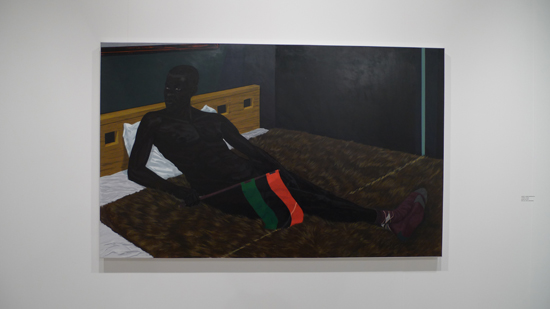
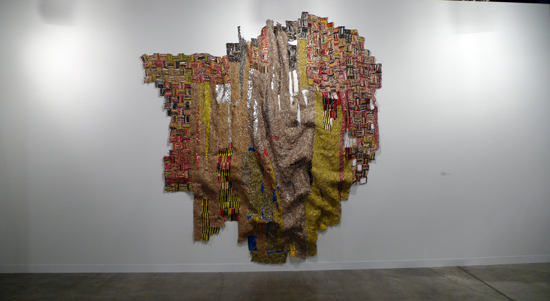
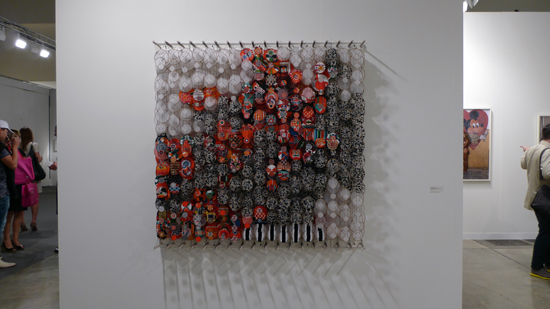
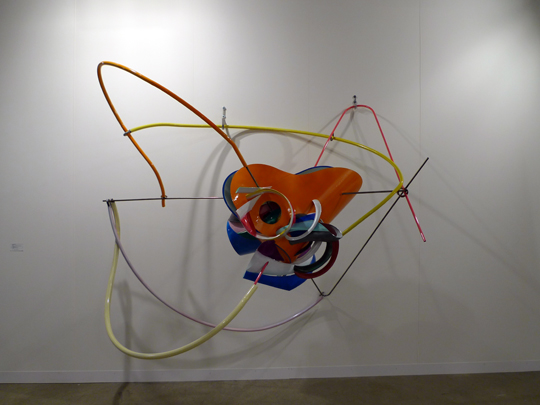
Paul Klein’s First Report from Art Basel Miami, 2013

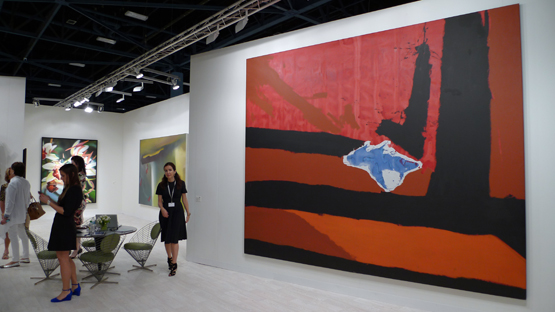
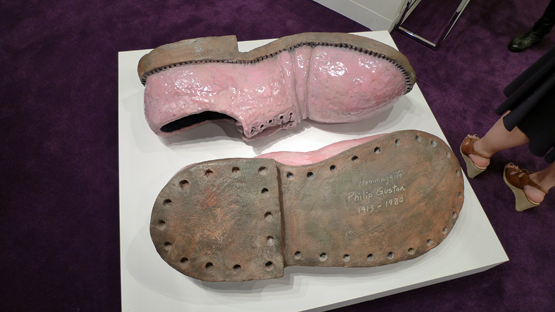
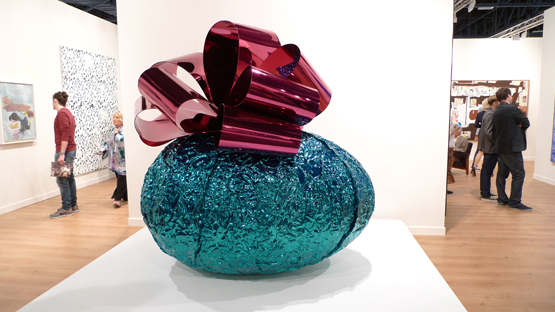
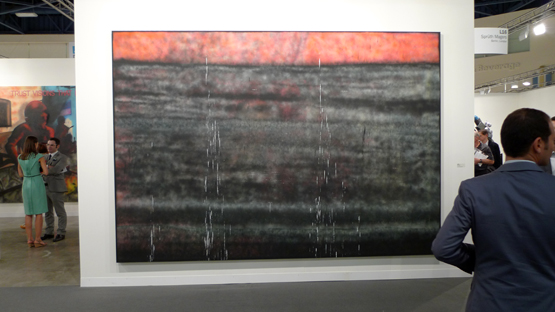
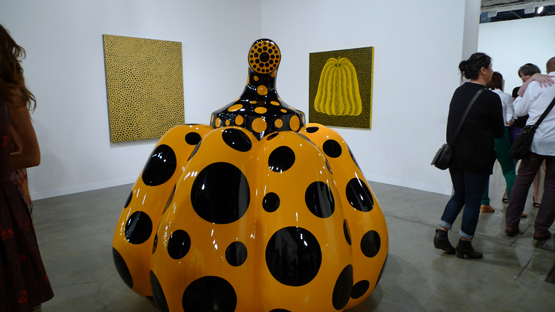
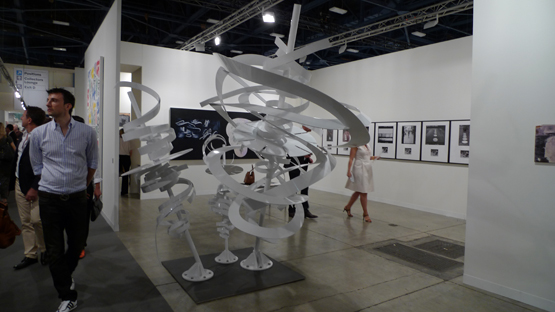
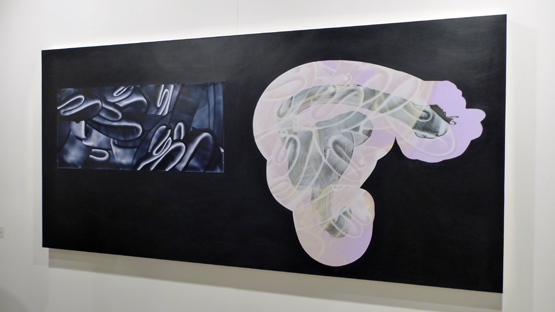
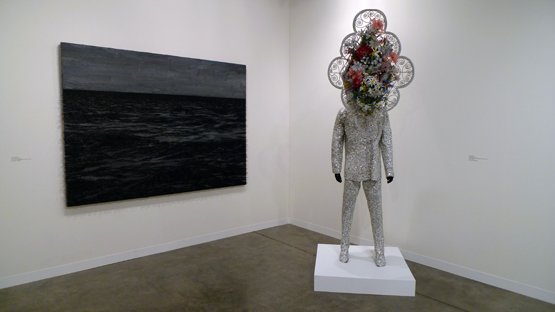
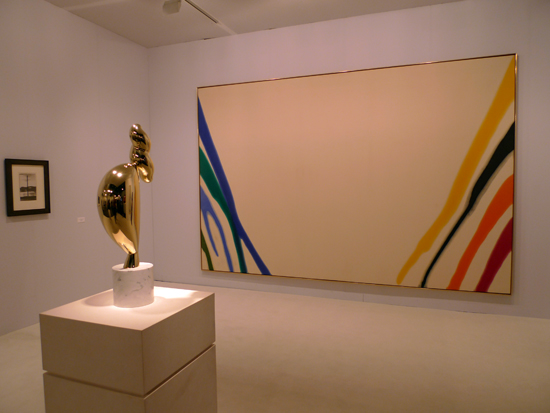
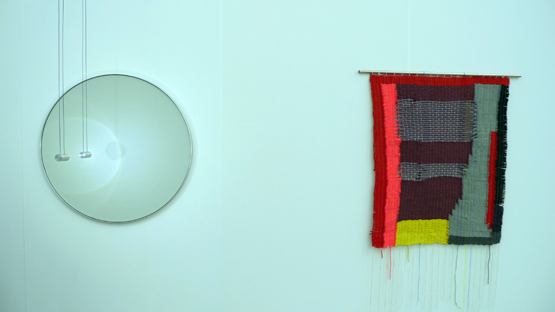
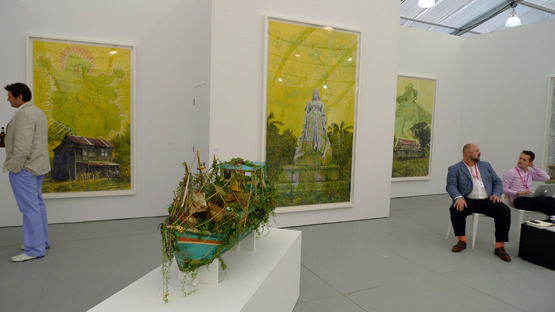
Reblogging Paul Klein‘s great visual overview of Art Basel. It appears less hype and trendy this year. Not many ‘words’ this year. 

From Paul Klein, Chicago, Huffingtonpost

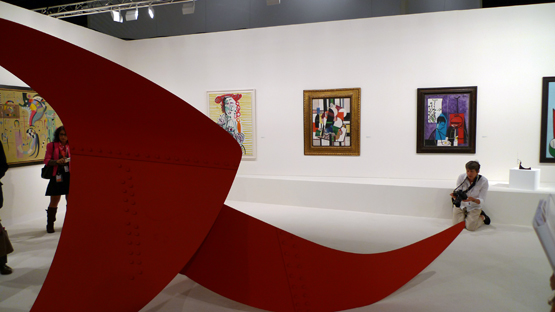
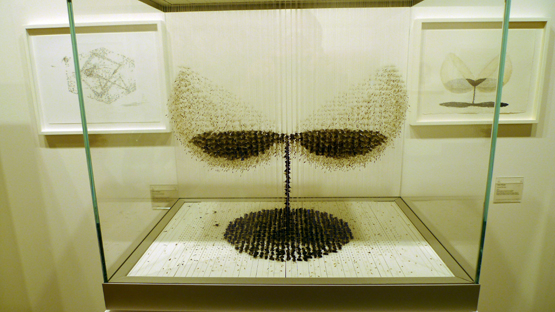
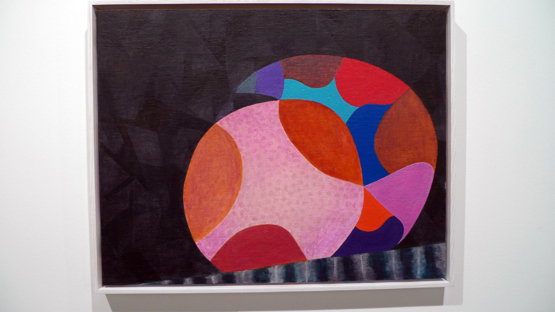
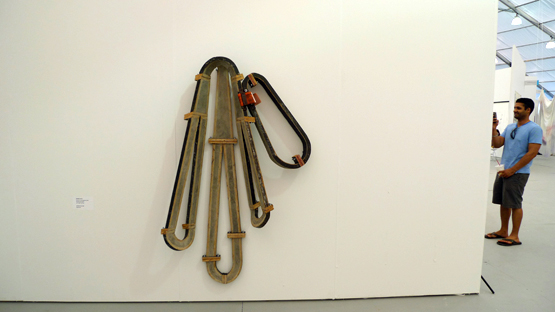
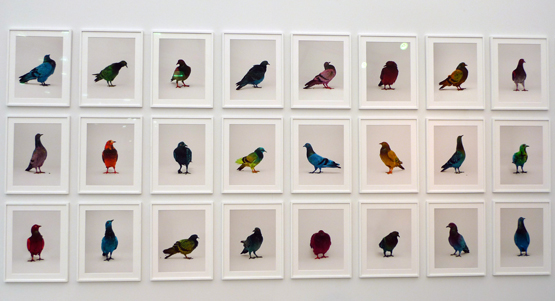
I’m in Miami again, visiting the mother of art bordellos, Art Basel Miami Beach. There’s room for every opinion about this show. I saw lots of beautiful, impressive art from the secondary market and plenty of significant art seen for the first time. And it’s all expensive.

It’s the money that shapes this show. What’s sold must be to expensive to cover the cost of participating. There’s some, but not much risk-taking; mostly ‘just’ high end, top notch merchandise. See how many of the artists you recognize.

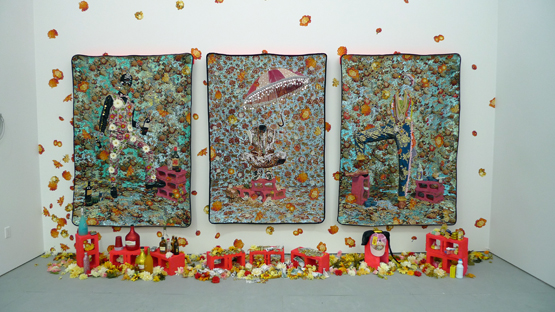
2013-12-05-L1080576.jpg

2013-12-05-L1080578.jpg

2013-12-05-L1080579.jpg

2013-12-05-L1080581.jpg

2013-12-05-L1080582.jpg

2013-12-05-L1080583.jpg

2013-12-05-L1080585.jpg

2013-12-05-L1080586.jpg

2013-12-05-L1080600.jpg

2013-12-05-L1080592.jpg

2013-12-05-L1080595.jpg

2013-12-05-L1080596.jpg

2013-12-05-L1080597.jpg

2013-12-05-L1080601.jpg

2013-12-05-L1080606.jpg

2013-12-05-L1080607.jpg

2013-12-05-L1080608.jpg

2013-12-05-L1080609.jpg

2013-12-05-L1080610.jpg

2013-12-05-L1080611.jpg

2013-12-05-L1080613.jpg

2013-12-05-L1080614.jpg

2013-12-05-L1080616.jpg

2013-12-05-L1080615.jpg

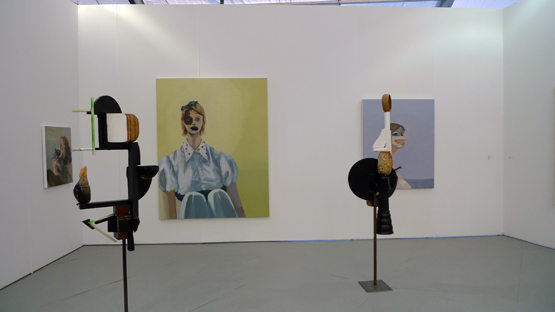
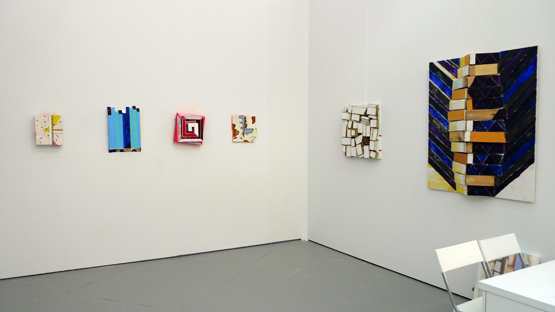
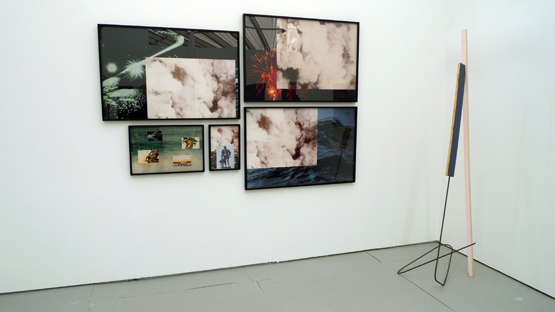
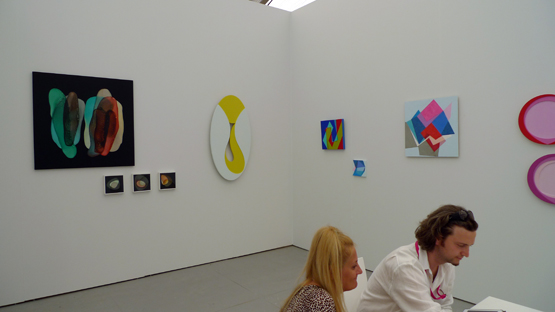
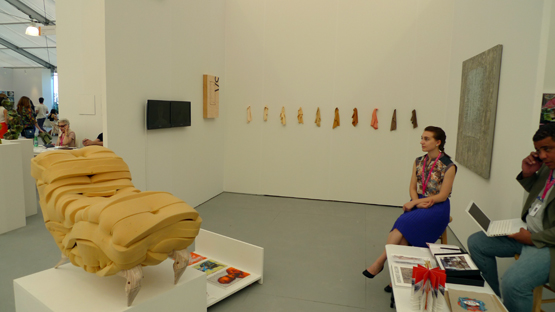
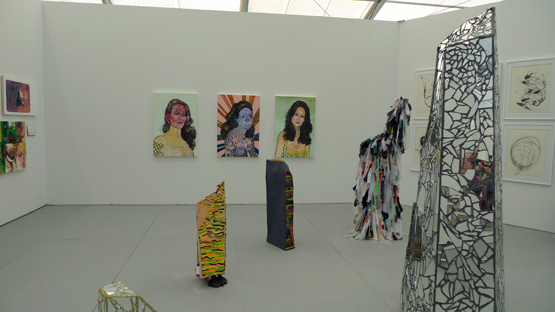
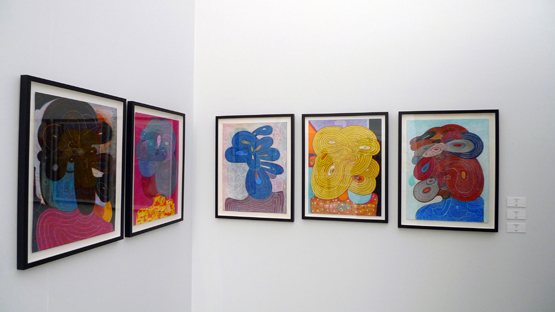
I also went to the Untitled Art Fair, which is literally on the beach, in a tent. Much of the art on view is by young, emerging artists. It’s fun and uneven. Whereas in the ABMB show (above) viewers ‘know’ they are looking at good art, here it is up to each individual to make up their own mind.

2013-12-05-L1080619.jpg

2013-12-05-L1080620.jpg

2013-12-05-L1080621.jpg

2013-12-05-L1080622.jpg

2013-12-05-L1080623.jpg

2013-12-05-L1080624.jpg

2013-12-05-L1080625.jpg

2013-12-05-L1080626.jpg

2013-12-05-L1080627.jpg

2013-12-05-L1080628.jpg

2013-12-05-L1080629.jpg

2013-12-05-L1080630.jpg

2013-12-05-L1080631.jpg

2013-12-05-L1080632.jpg

2013-12-05-L1080635.jpg

2013-12-05-L1080633.jpg

I’ve enjoyed the shows. I hope you’ve enjoyed a glimpse.

The Lion Ark landed in Colorado

Image

Bam Bam, a once angry, snarling circus lion is now a contented king of the plains living in Colorado.

One of the most heartwarming films at the 36th Starz Denver Film Fest is the Lion Ark. The ark was a huge cargo plane that transported 25 circus lions out of Bolivia. The lions had lived in isolation or crammed into cages, 8 to 10, all of their lives. What I did not know is that lions should not be isolated, they are social animals, they want to be with other lions, a la, a lion’s den.

In the early 1990s Animal Defenders International (ADI) caught wind of the horrid conditions for circus animals in Bolivia. To confirm the reports they covertly infiltrated the training sessions as circus employees. Sadly, ADI witnessed unthinkable atrocities. Thus began immediate maneuvers to ban wild animal circuses and rescue as many circus lions as possible, and, get them out of Bolivia.

The documentary displays the circus owners’ rebelliousness and struggle to keep the animals as their own, which as tradition, has been their livelihood. That part was painful to watch. Despite the living conditions, many trainers loved their animals and, in a circus heritage, most of the trainers and performers followed the footsteps of those before them. South American countries, where many circus performers come from, are born into the circus. Generation after generation live the circus life.

Unfortunately, abusing animals crosses all borders and not just in South America. The trend around the world is to ban all wild animal circuses thanks to ADI. Even in the United States. Hence, the rise and popularity of Cirque de Soleil, which features all human performers.

As the documentary unfolds we become attached to the lion, Cola Cola who has been living alone and has become one big angry cat. Then there’s Champion who lived in such a small cage his left leg and paw was deformed. You get to know Bam Bam and three lucky little cubs born in a Bolivian circus cage. Luckily, before they are old enough to be physically abused they are transported with their mother to Colorado where all 25 lions live to this day, thanks to The Wildlife Sanctuary just north of Denver.

Thank goodness for people such as Tim Phillips and his wife, Jan Creamer. Without their love and dedication for freeing circus animals in Europe and South America the Lion Ark would not have left Bolivia. And, many thanks goes to our own, Bob Barker, of the Price is Right who is known for his animal rights and support for all animals. Without his help all 25 lions would still be cooped up in cages, whipped, beaten and starved.

Tim Phillips and Jan Creamer have been traveling and promoting the Lion Ark since last summer. They’ve traveled to film festivals from Los Angeles to Mississippi, New York and Denver. The Lion Ark has been a hit on the circuit because animals like one old movie actor whined, ‘never play next to a kid or an animal.’ Animals are stars.  The Lion Art documentary is heartwarming and an eyeopener to educate us all on the need for banning wild animal circuses.

I spoke to Tim Phillips after the screening of Lion Art at the Sie Film Center.

DAM: How were you able to go in a take these animals from the circuses?

Phillips: Jan & I have been campaigning for animals for 35 years. In 1990, we started receiving reports about abuse in circuses in Bolivia. We asked ourselves, how do they get these animals to perform? Using investigative research in 1998, we had the first evidence of animal abuse. By 2005 we had recruited a group to infiltrate circuses in Bolivia, Ecuador, Brazil, and Columbia and, by 2007, the evidence was overwhelming for violent treatment of the animals. It shocked the people and the government. It started the wheels turning toward banning wild animals in circuses in South America, especially Bolivia. After several overturned bills, in 2009, a bill was passed that banned wild animals in circuses in Bolivia.

DAM: Were the circus people aware of this new bill?

Phillips: Yes. You see in the documentary how they resisted. It got violent a few times. But we were working with the government in Bolivia and insured them we were committed and we wouldn’t embarrass them. We reiterated, we were there to help them get the animals relocated.

DAM: What is the circus culture in South America?

Phillips: It is a culture of cruelty where they control the animals with deprivation and confinement. We found that a constant thread throughout the culture. There is ignorance involved but, the animals are considered a commodity that doesn’t matter. Making them perform with whatever it takes is the tactic. They’ve been doing it for many years.

DAM: Is it that way in the U.S.?

Phillips: Unfortunately, yes. There is evidence of electric shock used here. And the sad part about the U.S. the animals are kept on trucks in parking lots.

DAM: Are we working on banning wild animals?

Phillips: Yes. But the traveling animal protection act has been tabled and it’s going to take several reintroductions. The first step we’re looking at here is a reintroduction in the US Congress.

DAM: So, in other words, no animals in circuses anywhere?

Phillips: Until the late 1800’s a circus’s main attraction was humans. It was then they introduced exotic animals. Now we are trying to replace animals with humans, such as Cirque de Soleil, which is an animal free circus.

DAM: Did the Bolivian government pay the circuses for their animals?

Phillips: The government agreed with us and was shocked by the evidence of cruelty. We raised the money to save the lions and transport them to Colorado. The Bolivian government allowed us to take them from the circuses but we were responsible for their well-being once they left their cages. That’s where Bob Barker came in. He contacted us when he heard about the Bolivian government banning wild animals in circuses. He said, “I’m going to help you. I’m giving you a substantial amount of $2 million, to get those animals to a safe place.” His involvement enabled us to do everything we needed to do for their relocation. We’re now working in Peru to save the circus animals. All laws have passed in South America to ban wild animal circuses. It’s just a matter of time. We’re having trouble in Peru right now. Our counters (workers that count the wild animals in capitivity throughout the country) have been beaten, assaulted, their legs have been broken.

DAM: I loved seeing the animals as they stepped on the ground in Colorado. It is cold here, they are African lions. How did they adapt to such a cold climate?

Phillips: It was February when they arrived, in the middle of winter. They came from 100 degree temps. We had to build a dome with grass and trees to protect them until they could begin to adapt. By the spring they had formed families and were living in underground dens outside the dome. It was so cute, when they saw their first snow the next winter they frolicked like young puppies do, jumping and rolling in it. All of the animals had problems but they are thriving. Cola Cola was such an angry lion. He is content and peaceful now. I feel the best about him. I didn’t think he’d ever mellow. Champion, with the deformed leg, is strong and still with his family. He was weak when he arrived at the Sanctuary but with the help and constant attention from his mother and sisters he is a happy boy. He’s lame but it doesn’t matter. It was certain he would have died if he hadn’t been rescued from the circus.

DAM: Who’s paying for the upkeep of the group?

Phillips: We’re still funding the care of the animals through fundraisers. You can visit the sanctuary daily and if so inclined and you can adopt a lion for $36 a year which helps with their up keep. There’s also volunteer opportunities and you can visit the sanctuary and walk along the mile long walk way over the 25 acres. I was told occasionally a rabbit will wander in and meet his demise by Bam Bam or Cola Cola.

The Wildlife Sanctuary is located in Keenesburg, CO. To adopt go to AD-Internationaladopt.org, or check the Wild Animal Sanctuary on Facebook. A trailer for the documentary can be seen at LionArkthemovie.com.

Tagged , , ,

36th Starz Denver Film Festival Countdown

SDFF-Laurels-300x162

The Starz Denver Film Festival is pivotal to the [mental] well being of its citizens and, the best reason for celebration as the winter sets in. This is when film freaks soak up miles of celluloid. We savor the taste of never to be seen again movies from Belgium, Holland, Australia, France, Japan, etc. The SDFF is two weeks in November when movie lovers become anxious. How can one see every movie?  As god is my witness, I try.
Our cinema intrigued city is made up of movie addicts and, not just run-of-the-mill, general-audience movie-viewing nerds. Denver and its cinema aficionados are true silver screen fans. Very few cities the size of Denver have more than one Indie Film theatre. Denver has four – The Mayan, Sie, Esquire, Chez Artiste – each regularly bring thought provoking, real and spectacular films to hungry celluloid freaks.

As the 36th Starz Denver Film Festival gears up, some lucky writers are given the opportunity to view screeners. I try to take advantage of the couple of weeks before it all begins to see as many screeners and screenings as possible.

As I went through the list of screeners, I picked Hannah Ranch in my first batch to watch. It set the tone. Colorado is no longer just a state West of the Mason Dixon line. It has become an important hub for movies, airlines, sports teams, politics and sustainability issues focusing on the environment, animals, products, waste management, economic growth, organic food and preserving farms and ranch land. The movie Hannah Ranch brought those thoughts home.

The movie is about all the above. But more importantly it is about one family’s love of the land. The Hannah Ranch was established in the 1940’s and continues today. Their story is not unusual nor joyous. If you’ve read or seen ‘Lonesome Dove,’ living off the land, farming, ranching, it is continuous hard work. Every day.

Mitch Dickman, director/producer, hit on every nerve of old Colorado ranching families. Today, living off the land means staving off growth from every direction. Just living with and repairing fractured family disputes for preserving family traditions is daily. The constant knowledge of developments creeping closer to threaten historical land boundaries. There’s a significant difference between city dwellers and ranchers. City folk don’t think much about the land. But to the Hannah’s and original Colorado landowners, the land and how to keep it close to the heart is an all consuming way of life.  Ranches are dying. Hannah Ranch is a movie about keeping watch over the dying. Kirk Hannah, cattleman and industry leader, represented in Fast Food Nation, was known as the eco-cowboy for his early holistic resource management practices. He gave it his all.

As you will see in the movie, there’s nothing quite like the view of the Rocky Mountains while sitting atop your horse before the sun has fully risen or, the smell of fresh cut hay, animal sounds, cattle smells mixed with…the opening of a new Walmart directly across the road.

Hannahposter 3

“Yesterday’s gone on down the river and you can’t get it back.”
― Larry McMurtryLonesome Dove

Musing

A blog by Parnassus Books

Navy Blue Heaven

A Little Slice Of Cowboys Heaven

The Cool Muse / La Musa Molona

"The Cool Muse: Proudly tormenting friends and family with paintings of doubtful quality since MMII" "

Jazz in a Minute

Discover trending and amazing Funky Jazzy artists. Definitely not another mainstream music blog.

Splatter Craze

Get crazy about being creative!

Dear Denver

I've been thinking so much about you...

Peter ILLIG's Blog

Art-making in Denver

A Stairway To Fashion

imagination is the key

this is... The Neighborhood

the Story within the Story

Artwork of Jenna Koenning

Inspired by the natural sciences, I use landscape painting as a means to express issues of personal importance.

Author Adrienne Morris

Step Into the Past—Lose Yourself in the Story.

artthatmeansbusiness

Smile! You’re at the best WordPress.com site ever

you can observe a lot just by watching

thoughts and insights into the worlds of television and film

Vernacularisms

Notes from Belfast